
Marketing Agency for Whangārei and Northland Businesses
Northland has a marketing problem built on one bad assumption. That anything serious happens in Auckland.
Whangārei runs the only city economy north of it. Around 100,600 people in the district, roughly 201,100 across Northland, and inside that sit businesses of genuine national importance. The country’s only domestic cement producer. One of New Zealand’s largest integrated engineering firms. A fuel terminal that supplies the majority of the nation’s jet fuel. A marine precinct that pulls superyachts down from the Pacific and up from Auckland.
Most of them are buying marketing built for a corner cafe.
The local market is well served for small business tactics. It is thinly served for the businesses doing two to twenty million who need someone senior enough to argue about positioning in a leadership meeting, not just someone to post three times a week.
What Northland businesses are actually working with
The Northland economy is not one thing, and marketing here fails when it gets treated like it is.
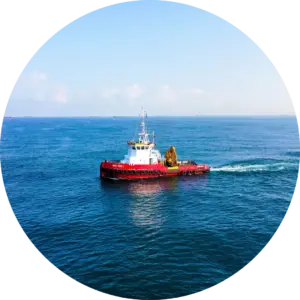
Marine. Auckland has historically held most of the country’s superyacht refit work and Whangārei has spent the last decade taking chunks of it, with deep sheltered water, slipways handling vessels to 1,800 tonnes, travel lifts to 560 tonnes and berthage up to 120 metres. Fifty six visiting superyachts put around 212 million dollars into the New Zealand economy in a single recent season. That is international, seasonal, reputation led marketing, and almost nobody up here markets it that way
Heavy engineering and manufacturing. Culham Engineering is one of the largest integrated engineering firms in New Zealand and Golden Bay Cement is the only domestic cement producer in the country, making around sixty percent of national demand. Technical buyers, tender processes, relationships measured in decades
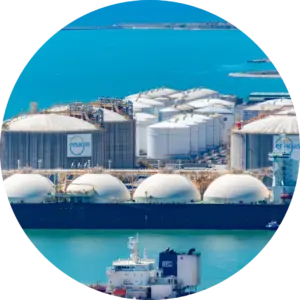
Fuel, energy and port. Channel Infrastructure at Marsden Point handles roughly forty percent of New Zealand’s land transport fuel and about eighty percent of its jet fuel, and Northport is pushing toward container capacity with a proposed dry dock alongside it

Primary production and food. Northland grows more than ninety percent of the country’s kūmara, alongside avocados, dairy and forestry, selling into national retail and offshore markets where the buyer has never set foot here
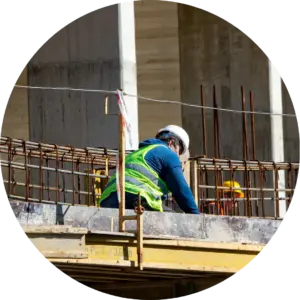
Construction and health. The Whangārei Hospital redevelopment is the biggest build the region has seen in decades, with 759 million dollars in stage one funding and a 158 bed ward tower funded in Budget 2026, running through to 2031
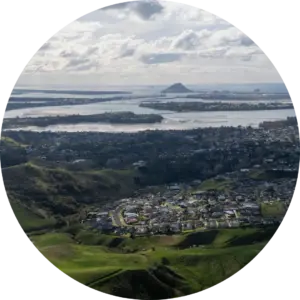
Tourism and hospitality, feeding off the Bay of Islands and the Tutukākā coast, and carrying a seasonality problem that most marketing quietly ignores
Those are not businesses that grow off a content calendar. They grow off positioning, credibility, targeted demand generation and patience. Different work entirely.
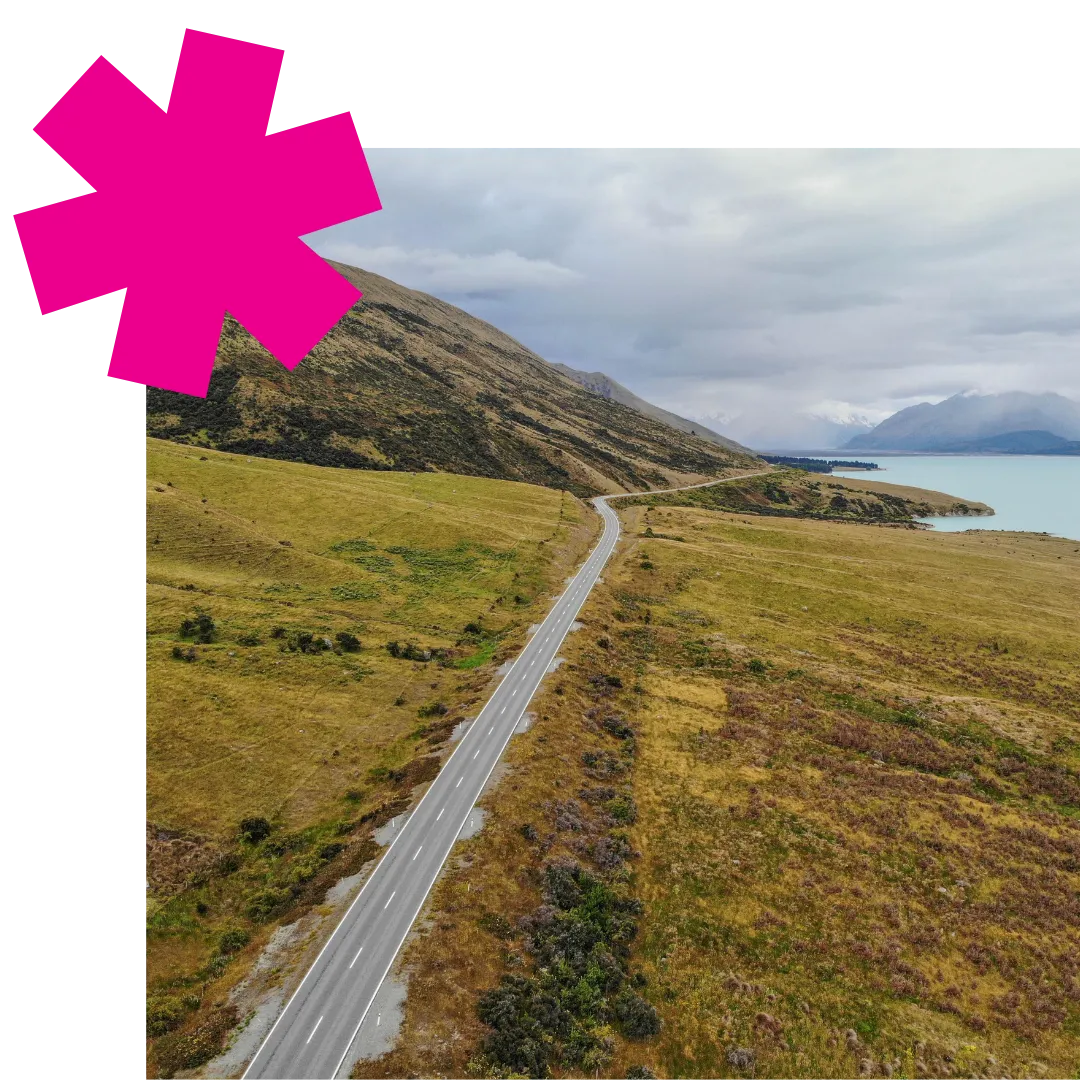
The road problem, and why it is really a marketing problem
Every Northland business has the same conversation about the road. Whether it gets four laned, when, and what happens if it does not.
Here is where it actually sits. The government signed a 3.6 billion dollar contract for the Warkworth to Te Hana section in July 2026. Early works start from August 2026, main construction does not begin until late 2027, and the road opens around 2033. Everything north of Te Hana, which is the part that actually connects Whangārei, sat on a slower delivery track when the transport pipeline was reprioritised earlier that month.
That matters for marketing more than it looks. A lot of Northland businesses have been treating infrastructure as the thing that will fix their growth. It will not. A road makes it easier for your customers to reach you. It does not make them find you, trust you, or choose you before someone in Auckland.
The businesses that benefit most when that road eventually opens will be the ones who spent the intervening years building demand rather than waiting on tarmac. Seven years is enough time to own a category. It is also enough time to lose one.
The Northland network problem
The other thing every business here says is a version of the same line. Most of our work comes from referral. That is genuinely a strength in Northland. The networks are tight, people know each other, and reputation travels fast and honestly.
It is also a ceiling. Referral growth is capped by how many people you know, and it goes quiet exactly when the economy does, which is the moment you most need it not to. Northland feels that harder than most regions because the network is smaller and the economic cycle hits sooner.
That is usually where we come in.

We know this market
We are Auckland based, which makes Whangārei a drive, not an expedition. We do it, and we are in the room when the decision gets made, because a decision in Northland usually gets made across a table rather than over a video call. Plenty of marketing agencies will service Northland from a distance and never set foot in it.
We are also not going to pretend to be locals. What we bring instead is senior marketing capability that this region has genuinely thin coverage of, an understanding of the buyers your businesses are actually selling to, and enough sense to know that a marine refit yard, a cement plant and a kūmara grower do not need the same marketing plan.
The rest of the time we are doing the work instead of driving to it, which is exactly how it should be. You are paying for marketing, not mileage.

What we do for Northland businesses
- Marketing strategy and positioning, built for how your buyers actually decide
- Full marketing function for businesses without an internal team
- Specialist support alongside an existing marketing manager who is stretched too thin
- Selling into Auckland and offshore from a Northland base, without pretending to be somewhere you are not
- Paid advertising across Meta, Google and LinkedIn
- Content, social and email that connects to revenue rather than reach
- AI visibility, so you show up when someone asks ChatGPT for a recommendation instead of Google
- Market expansion, including building presence in Auckland or Australia before you open there
Where to start
If your marketing has been running on referrals and hope, or you have an internal person doing the job of four people, or you have been waiting for the region to turn a corner before you invest, those are all conversations worth having.
Send us what you are working with now. We will tell you honestly whether you need us, someone else, or nothing at all yet. And if it is easier to do that over a coffee in Whangārei, say so. We will come to you.
FAQ's
Do you work with businesses in Whangarei and Northland?
What kind of Northland businesses do you work with?
Marine and boatbuilding operators, engineering and manufacturing firms, primary producers and food businesses, construction, healthcare providers and professional services. The common thread is a considered purchase and a buyer who researches before they make contact.
Is it a problem that you are not based in Northland?
It has not been. We travel up for the meetings that matter and do the work from wherever it gets done best. What matters more is whether the person running your marketing has actually run marketing at this level before, and there is a limited pool of that in any regional market.
How much does it cost to work with you?
Most of our retainers sit between five and twenty five thousand dollars a month depending on scope. That is significantly less than building the equivalent capability internally, which runs well past three hundred thousand a year in salaries once you have a manager, a content person, a designer and a digital specialist.
